York
A walled medieval city with a Viking centre, a Gothic cathedral and cobbled streets — here's what to prioritise, how long to stay, and what to skip.
Quick facts
Top tours and experiences
We earn a small commission if you book through GetYourGuide or Viator — at no extra cost to you. Every tour is hand-picked and verified.


York packs a walled medieval core, a working Gothic cathedral and a genuinely good Viking museum into a city small enough to cross on foot in twenty minutes. Two full days covers the essentials comfortably; three lets you add a day trip without rushing the city itself.
| Where | North Yorkshire, ~1h50 from London by train, 25 min from Leeds |
| --- | --- |
| Time needed | 2-3 days |
| --- | --- |
| Cost | A single attraction plus lunch: roughly £30-£40/person |
| --- | --- |
| Getting there | Train from London King’s Cross or Leeds; UK ETA required |
| --- | --- |
| Best time | May and September for weather without peak crowds |
Why York works as a base
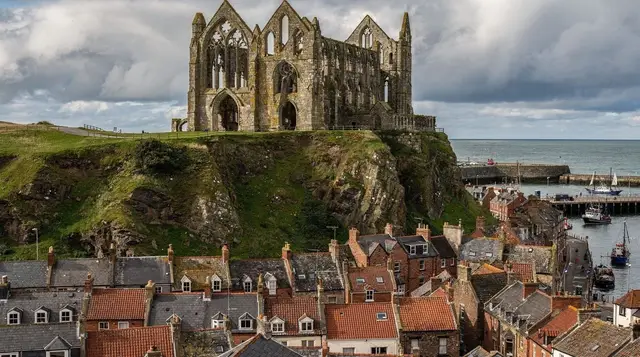
Most visitors use York as a hub rather than a single stop, and the logistics back that up. The train station sits a five-minute walk from the city walls, Leeds is 25 minutes away, and Whitby or the Yorkshire Dales are both doable as day trips by car or organised tour. Inside the walls, nothing of interest is more than a 15-minute walk from anything else, so you can skip car hire and public transport entirely once you’ve arrived.
The park and ride system on the ring road is the sane option if you do drive in — city-centre parking is scarce and expensive, and much of the old core is pedestrianised anyway.
How long you actually need
A single day gets you York Minster, a walk through the Shambles, and one paid attraction — realistically JORVIK or York Castle Museum, not both if you also want lunch and a wander. Two days is the sweet spot: it adds the city walls walk, a proper sit-down meal, and time for a museum you actually enjoy rather than rush through. Three days makes sense if you’re pairing York with a single day trip — Whitby and the North York Moors both work well from here.
See how many days in York for a longer breakdown by travel style.
The must-dos, honestly ranked
York Minster is the one genuinely unmissable stop — it’s one of the largest Gothic cathedrals in northern Europe, and the tower climb (275 steps, £16 for the tower alone or combined with cathedral entry) gives a rooftop view over the whole walled city. Entry to the cathedral itself runs around £13.50 for adults if you’re not climbing.
Book a York Minster guided tourJORVIK Viking Centre is polarising. The ride-through reconstruction of Viking-age Coppergate is well done and backed by real archaeology from the site, but it’s short (about 20 minutes) for £13.50-£15 and queues badly in school holidays — book a timed slot online rather than turning up. If you only have appetite for one paid museum, York Castle Museum generally rewards the ticket price better: full reconstructed Victorian and 1960s streets, a genuine prison cell block, and enough to fill 90 minutes to two hours.
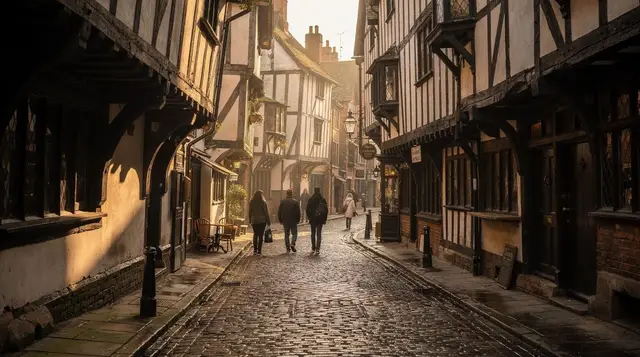
The Shambles is the photogenic cobbled street everyone photographs, and it earns the reputation — overhanging medieval timber buildings so close together you can supposedly shake hands across the top floors. It’s also small, often crowded by midday, and increasingly lined with shops aimed squarely at tourists (Harry Potter-themed stores among them, despite no direct historical connection). Go early morning for the empty-street photo; browse the wider Shambles Market area for actual food and gifts.
Clifford’s Tower, the stone keep on its mound near the castle museum, is worth the £9 entry mainly for the roofless walkway and rooftop views — the interior itself is a single open space, not a full castle experience. The National Railway Museum is free to enter and one of the better family stops in the city, with Flying Scotsman-era locomotives and royal carriages under one roof.
Where the crowds are and how to dodge them
July and August afternoons on the Shambles and around the Minster can feel genuinely congested, especially with coach tour groups moving through in blocks. Early mornings (before 9:30am) and evenings after 5pm give you the same streets close to empty. December brings the Christmas market crowds on top of normal tourism — atmospheric, but book accommodation months ahead and expect queues for food stalls. For a broader look at when to avoid, see the crowd avoidance guide and the more pointed tourist traps writeup — a few attractions here trade on reputation more than substance.
Eating and drinking
York’s food scene runs from solid pub grub to a handful of genuinely good independent restaurants, and skews toward the latter more than most UK cities its size. Best pubs in York is worth reading before you commit an evening — some of the most Instagrammed pubs (looking at the ones directly on the main tourist routes) are mediocre and overpriced, while quieter streets a few minutes off the main drag hold better options. Afternoon tea is a genuine York specialty thanks to Bettys, the century-old tearoom — expect to queue, and to pay £30+ per person, but it’s a legitimately good experience rather than just a tourist ritual.
For self-catering or better-value eating, where to eat in York breaks things down by budget.
Getting around without a car
Everything inside the walls is walkable, and most first-time visitors never need public transport within the city. If you’re staying outside the walls or want to reach the racecourse, park and ride buses run every 10-12 minutes from four sites on the ring road for about £3.50 return. Taxis are plentiful but rarely necessary given the compact centre. For day trips beyond the city, see getting around York and day trips from York by train — rail links to Whitby, Scarborough, Harrogate and Leeds are all straightforward from York station.
Where to stay
The area just inside or just outside Bootham Bar and around Micklegate tends to offer the best balance of walkability and value — you’re a 10-minute walk from the Minster without paying the premium charged by hotels directly on the main tourist streets. Where to stay in York covers neighbourhoods in more detail, including quieter options near the river for those who want easy access without the noise of the main pedestrian routes.
Practical notes for 2026
Visa-exempt visitors (including EU, US, Canadian and Australian citizens) need a UK Electronic Travel Authorisation (ETA), costing £20, arranged online before travel — this has applied since 25 February 2026 and is separate from any EU entry requirements if York is part of a wider UK-Ireland trip. Currency is pounds sterling; contactless cards are accepted almost everywhere, including small independent shops and market stalls, so carrying cash is rarely necessary. See UK ETA practicalities for the current application process.
York with children
York works reasonably well as a family city break, mostly because the sights that matter to kids don’t require much walking between them. JORVIK’s ride-through format suits younger children better than a traditional static museum, and the National Railway Museum — free to enter, with locomotives you can walk right up to and climb aboard in places — tends to be the standout for most families. York’s ghost walk industry, heavily marketed on nearly every street corner, is mostly aimed at adults and older teenagers rather than young children; read reviews carefully before booking one for a family with under-10s, since some lean into genuine scares rather than gentle storytelling.
York with kids and JORVIK for families go into more detail on which attractions suit which ages, and rainy day York covers indoor options for the inevitable wet afternoon.
Ghost walks and York’s haunted reputation
York markets itself heavily on being one of the most haunted cities in Britain, and whatever you make of the claims, the ghost walk industry here is large, competitive and generally well-run as entertainment. Guides tend to blend genuine local history — plague pits, Georgian executions, Civil War sieges — with folklore and outright theatre, and the better operators are upfront about which is which. It’s a reasonable way to spend an evening hour, particularly if the weather’s turned and the pubs feel like the only alternative.
Best ghost walks in York compares the main operators, and most haunted city York covers the claim in more historical depth.
A realistic two-day plan
Day one: York Minster (cathedral plus tower climb if the weather’s clear), a walk through the Shambles before 10am, lunch near Fossgate, then the Castle Museum or JORVIK in the afternoon, finishing with a section of the city walls walk before dinner. Day two: Museum Gardens and the Yorkshire Museum in the morning, a riverside walk or river cruise, then free time for shopping, a second museum, or simply sitting in a pub garden — York rewards not over-scheduling every hour.
This loosely mirrors the two days in York itinerary, which breaks the same plan down hour by hour, and the three days in York itinerary if you’re adding a day trip on top.
Comparing York’s main paid attractions
| Attraction | Roughly | Time needed | Best for |
|---|---|---|---|
| York Minster (tower + cathedral) | £16 combined | 1.5-2 hours | The one unmissable stop |
| --- | --- | --- | --- |
| JORVIK Viking Centre | £13.50-£15 | ~20 minutes | Younger children, Viking archaeology fans |
| --- | --- | --- | --- |
| York Castle Museum | Check current pricing | 1.5-2 hours | Best value for a single paid museum |
| --- | --- | --- | --- |
| Clifford’s Tower | £9 | 30-45 minutes | Rooftop views, quick stop |
| --- | --- | --- | --- |
| National Railway Museum | Free | 1.5-3 hours | Families, free-entry value |
If you can only justify one paid museum beyond the Minster, York Castle Museum generally rewards the ticket price better than JORVIK for adults, though JORVIK’s ride-through format suits younger children better.
Budgeting for a York trip
York isn’t a cheap city break by UK standards, though it’s manageable with some planning. A single paid attraction plus lunch runs to roughly £30-£40 per person; add afternoon tea or a sit-down dinner and a day easily reaches £60-£80. Free options — the city walls, Museum Gardens, the Shambles itself, most of the historic street wandering — do a lot of the heavy lifting, so a tight budget doesn’t mean a poor visit. York on a budget and the matching budget 2-day itinerary both cover ways to keep costs down without missing the essentials.
Frequently asked questions about York
Is York worth visiting for just one day?
Yes, but you’ll have to choose: either the Minster plus a walk through the historic core, or one paid attraction plus lunch — trying to fit both comfortably rarely works. If you can stretch to two days, do it; the difference in how relaxed the visit feels is significant.
How does York compare to a city like Bath or Edinburgh?
York is smaller and more walkable than Edinburgh, with a similarly dense concentration of historic sights, but without the hills or the festival-season crowds. It’s a reasonable comparison to Bath in scale, though York’s Viking and medieval history gives it a different character than Bath’s Georgian architecture and Roman baths. See York vs Bath for a direct comparison.
Do I need to book York Minster or JORVIK tickets in advance?
For JORVIK, yes — booking a timed online slot avoids the worst queues, especially in school holidays. York Minster sells tickets on the day but online booking is faster and occasionally cheaper.
Is the York Pass worth buying?
It depends heavily on how many paid attractions you plan to visit and over how many days — it rarely pays off for a single day covering just the Minster and one museum. See is the York Pass worth it for the actual maths.
Check the York city pass covering 20+ attractionsWhat’s the best time of year to visit York?
May and September give reliable weather without peak-season crowding or prices. December is worth it specifically for the Christmas market atmosphere, despite the crowds and cold. July and August are busiest and priciest for accommodation.
Can I visit York without a car?
Easily — the train station is central, the city itself is fully walkable, and day trips to Whitby, Scarborough, Harrogate and Leeds all run by rail. A car mainly helps for reaching the Yorkshire Dales or more remote Moors villages.